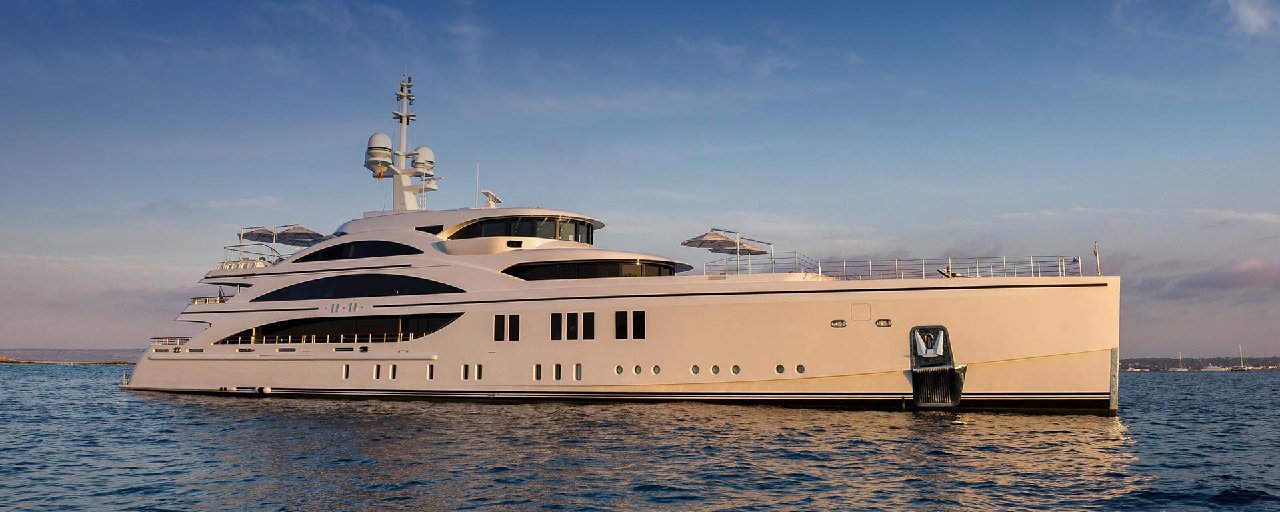
HYDRAMETA is a solvent-based, single-pack clear anti-corrosion coating for prepared steel, aluminium, and coated metal in marine, coastal, transport, and industrial exposure. Service life follows pretreatment quality, film build, and cure aligned with the published technical sheet.

Specify HydraMETA where salt spray, humidity, and UV drive metal loss on ships, structures, and equipment. Align substrate preparation, recoat windows, and environmental limits with ANTLAB before scale-up; marketing copy is not a substitute for the current datasheet.
Typical industrial contexts include:
In practice: Specified for vessel maintenance by marine operators in coastal India and applied on offshore infrastructure and industrial metalwork in corrosive marine environments. For volume supply or technical consultation, contact the ANT LAB team.
• Industries such as oil & natural gas etc. usually use protective top-coatings to protect surfaces from environmental effects including oxidation, chemical attack damage, corrosion, and a desire to improve appearance.
• Moreover, the number one cause of the corrosion in sea and marine enviroments is salty water and cracks in the paint that get developed in the harsh sea environment.
• There is a dire need for an ultra-durable coating that can survive such extreme marine corrosive conditions without compromising the appearance and feel of the surface.
| CHARACTERISTICS | RESULTS |
| Scratch Hardness | 2500 gm. (Excellent) |
| Abrasion Resistance (Loss in weight) | 8.2 mg (Excellent) |
| Gloss at 60° | 89.0 (Excellent) |
| Mar Resistance | 5.0 kg (Excellent) |
| Alkali/Acid Resistance | Excellent |
| MEK Resistance | > 1000 cycles (Excellent) |
| Adhesion (Metal Surface) | 3 Mpa (Excellent) |
| Pencil Hardness | Upto 5H (Excellent) |
| Pendulum Hardness | >200 |
| Cross Cut Ahesion | Rating 9 (Excellent) |
| Cass @ 50 deg. | 220 hrs. |
| Impact Resistance | 1kg – 100cm (Excellent)) |
| Flammability: Retardant / Flame Spread | Class 1 / Class A (Excellent) |
| Salt Spray Resistance | > 1000 hours (Passed) |
| Accelerated Weathering (1000 hours) | Excellent (<3% change observed) |
HydraMeta is a durable & abrasion resistant anti-corrosion clear coating designed for all types of metal surfaces. It is designed to protect any painted metal surfaces from destructive forces, and provides a long lasting barrier of superior resistance to moisture,UV damage , acid rain, oxidation & ice adhesion. HydraMeta provides a long-lasting, protective, streak-free shine and is up to 8 years dirt-proof. It can coat smooth prepared surfaces such as aluminium, painted metal, stainless steel, and similar metals.
• Besides, the number one cause of corrosion in the marine and the marine environment is saltwater and paint cracks that develop in harsh seas. There is a dire need for long-lasting coating, which can survive such extreme conditions without compromising the surface appearance and aesthetics.
Pencil Hardness Tester
Cross Cut Adhesion
Salt Spray Corrosion Test
Yes. HydraMETA is a solvent-based, single-pack clear that cures with atmospheric moisture. It adds a barrier to moisture, salt spray, acid rain, UV, and oxidation on painted metal and on bare metal that has been prepared correctly. It also improves resistance to graffiti marking and surface wear. Typical installations include coastal and marine steel, road transport, industrial equipment, and architectural metalwork. Service life still follows pretreatment quality and the exposure you put the part into.
It is solvent-based only. We do not list a water-based HydraMETA grade; older pages that compare two chemistries are out of date. Supplied material is a silica-based, one-part, moisture-cure clear. Published numbers for this grade include dry film thickness about 20 to 25 microns, water contact angle about 104 to 109 degrees, pencil hardness about 4H to 5H, and salt fog (ASTM B117) above 1000 hours with no rust or blistering in the lab report summarized on this page, plus QUV and abrasion figures in the same documentation package.
The cured film is colourless. You should not see a hue shift versus the paint underneath; most sites only notice a modest gloss increase and a smoother feel. If your specification allows almost no visible change, spray a test coupon first on strong colours or metallics.
Both are normal applications when the surface is clean, dry, and sound. Painted mild steel, stainless steel, aluminium, copper alloys, brass, bronze, and powder-coated parts are all within scope for this line. Bare steel or bare iron with no primer needs two coats wet-on-tack inside about fifteen minutes so fine porosity is sealed. Where paint is lifting or corrosion is heavy, strip back to sound metal (blast or mechanical prep as required) before you coat.
HydraMETA is not sold or certified as an antifouling system. It does give a harder, smoother, more water-repellent surface than chalky or sun-etched paint, which usually makes slime and soft growth easier to wash off and can improve fuel use versus running with a rough, fouled underwater shell. Actual gain depends on speed, route, and cleaning interval. Hard growth and barnacles still need an antifouling scheme approved for your vessel class; ask us how this clear coat fits next to that scheme.
On painted or cleared skins the practical gain is housekeeping: rain, dust, and insect residue release more readily, so line polishing between sectors drops. The film stays visually clear with only a small gloss step, which keeps schemes readable. General metal work usually targets near 20 to 25 microns dry film; thin-build aviation touch-up sometimes meters closer to 10 microns when thickness is controlled. Either way added mass is small next to another full paint film. Any statement about laminar flow or cruise drag needs engineering approval on that airframe; treat the coating as a cleaning and turnaround aid unless your certifying engineer signs a performance study.
At about 27 °C and 55 % relative humidity, allow roughly five to six minutes to touch, thirty minutes before you should tolerate open dust, and twenty-two to twenty-four hours for full hardness. Literature quotes roughly 2800 to 3000 ft² per litre. Outside work needs calm air; mask glazing and avoid spraying in strong wind because overspray and grit will spoil the finish.
Yes, on every new batch or repaint recipe. You are checking bond and how far gloss moves, not a colour change because the resin carries no pigment. Very light whites can look fractionally warmer when gloss jumps; if a stripe or registration mark must not move at all, approve a test panel before full spray.