- ISO 9001:2015
- GMP Certified
- SGS Verified
- 11+ Years R&D
- 6 Export Markets
- Made in India
HYDRASOL FOR SELF CLEANING SOLAR PANELS
"Dirty solar panels in high dust / pollen or desert areas can reduce their power capability by up to 30%," says Seamus Curran, Professor at Houston University.
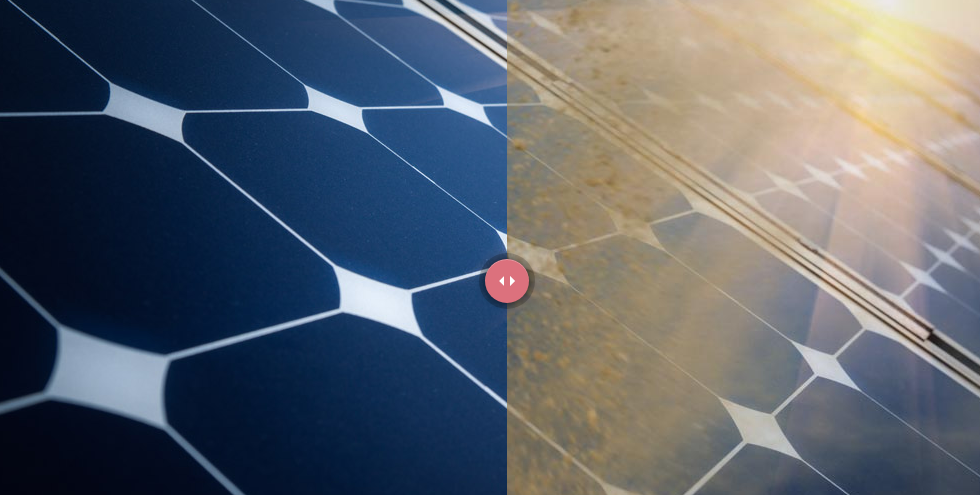
The conversion capacity of solar panels, usually within the 20% range, is reduced by dust, grime, pollen and other particles accumulated on the solar panel after a weeks time and keeps on increasing .
There was dire need for a high-quality hydrophobic, self-clean, high-performance nano solar panel coating, long-lasting, easy-to-clean protective coating on all forms of solar photovoltaic panels that will also improve the energy generation of each panel.
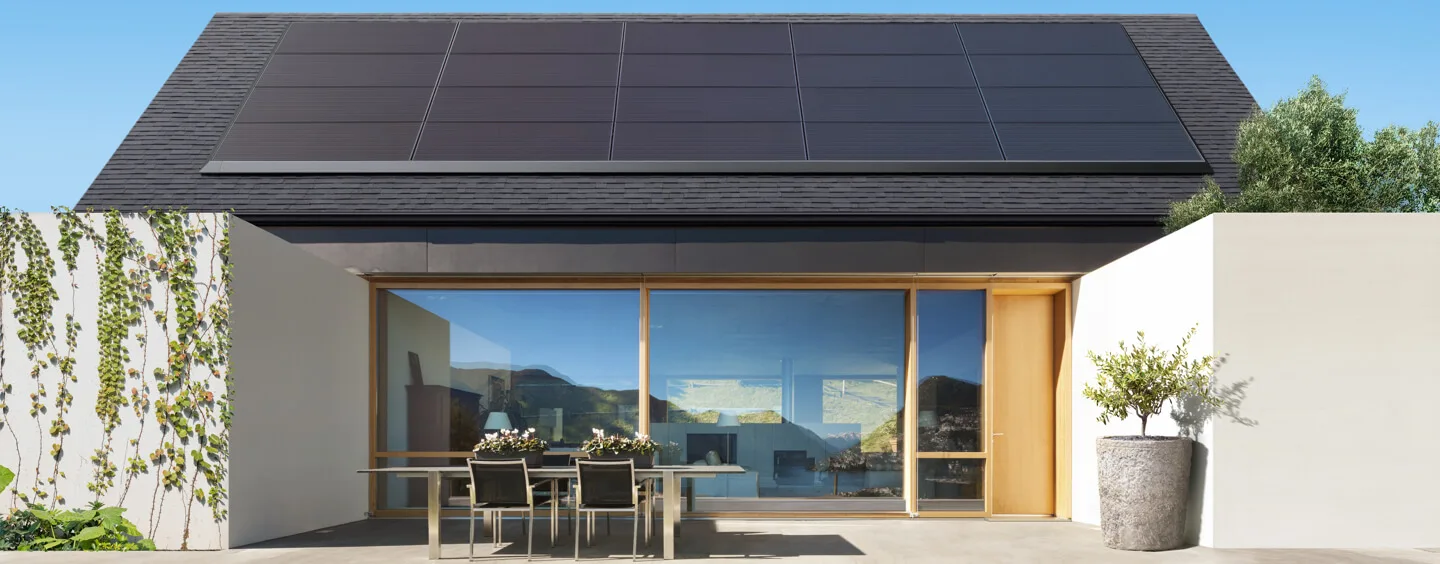
In practice: Applied on utility-scale solar installations in Rajasthan and Gujarat; used by rooftop solar project developers in western India to reduce panel soiling loss and extend cleaning intervals in high-dust environments. For volume supply or application partnership, contact the ANT LAB team.
THE PROBLEM WE SOLVED FOR SOLAR PANELS
In the geographical areas where it is mainly rainy, it is a very time-consuming and expensive activity for daily cleaning and maintenance of solar panels installed on the top of the infrastructure which, if not performed regularly in 7~10 days, would reduce the power production. However, manual cleaning poses a high risk for cleaners employed at a height of 12 to 30 feet from the ground level and a high risk for cleaning.
Natural cleaning sources include wind and rain storms which will effectively clean the glasses encompassing the solar panel. Wind cleaning is stated as a non-feasible technique as high wind speed is needed to clear the particles from the dust and velocity may vary depending on various geographical locations and seasonal conditions. Cleaning with rain is whispered as an efficient cleaning method, but in reality, it is a low-efficiency cleaning method and if local environmental contamination is high, debris leaves over the solar panel surface after rainfall.Our Nano Coating forms a layer which leads to beading effect or hydrophobic effect on glass surface of solar panel.

Mechanical cleaning mode includes the use of a robotic arm and wiper. The type of wiper cleans the glass cover of the solar panel with a device just like the windscreen-wiper for automobiles. The wiper consists of an electrostatic fabric that needs to be charged for wide-area surfaces and difficult to scale. The robot type appears to be effective in cleaning strongly adhered dust particles and large area surfaces, but it requires high operating voltage and human intervention is required to start the operation and move from one row to the next.
WE PROPOSE HYDRASOL NANO COATING AS A DURABLE AND SUSTAINABLE SOLUTION TO SOLVE ALL YOUR PROBLEMS. OUR PRODUCT IS TUV RHEINLAND CERTIFIED.
FEATURES OF HYDRASOL
Solvent Based available

Self Cleaning

Super-Hydrophobic

No change in IV Curves

Excellent Water Repellency

Durablity of 5+ yrs

Repels Dirt and Debris

Easy to apply

Ecologically beneficial & Biologically safe

High Cost Savings